Time:2026-08-27 08:59:10 Number of Clicks:
Ports and bulk terminals handle millions of tonnes of cargo every year — coal, iron ore, grain, fertilizer, aggregates, and more. The efficiency of a port's material handling system directly determines its throughput, operating costs, and competitiveness. Choosing the right equipment is not just a technical decision; it is a commercial one.
This guide covers the four core types of bulk material handling equipment used in modern ports and explains how they work together to form an integrated loading and unloading system.
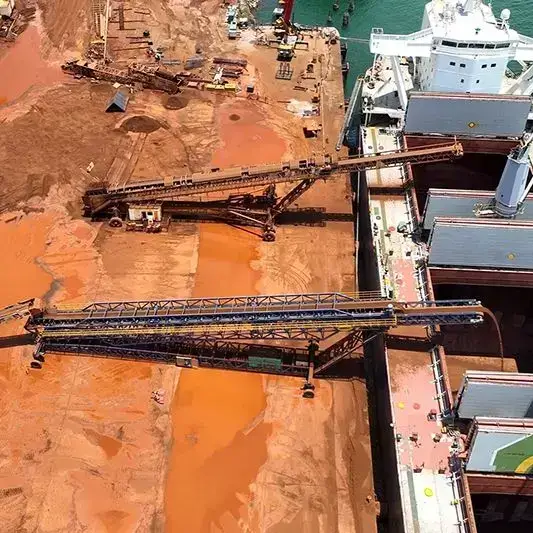
A mobile ship loader is a self-propelled bulk loading machine that moves along the quay to load vessels directly. Unlike traditional fixed ship loaders that require rail-mounted infrastructure, mobile ship loaders can be deployed quickly and repositioned as needed.
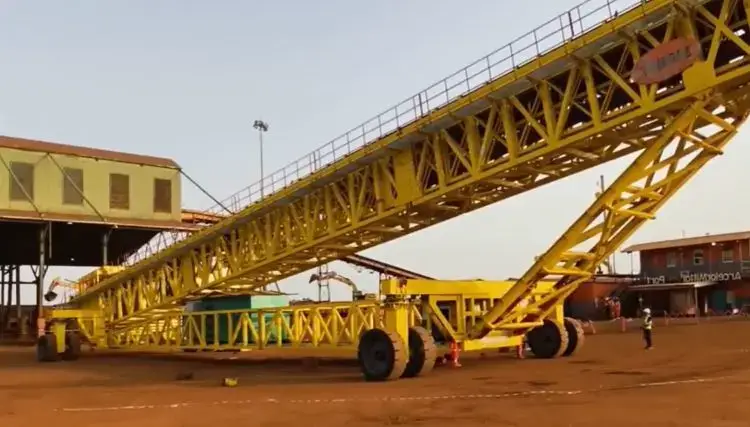
Key configurations include:
Zoomry's mobile ship loader series covers capacities from 100 to 3,500 t/h and can serve vessels from barges to Capesize class. These systems include telescopic booms, dust suppression, and radio remote control as standard features.
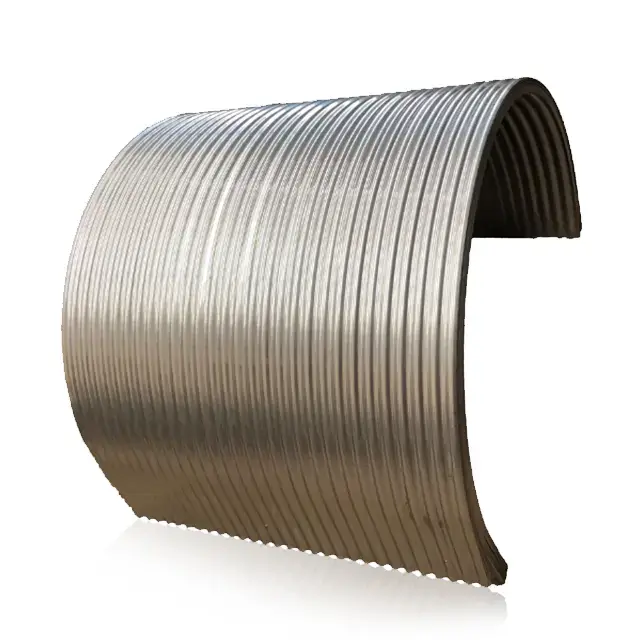
Belt conveyor systems move bulk materials between the quay, storage yards, and processing facilities. In port applications, conveyors are selected based on distance, capacity, terrain, and environmental requirements.
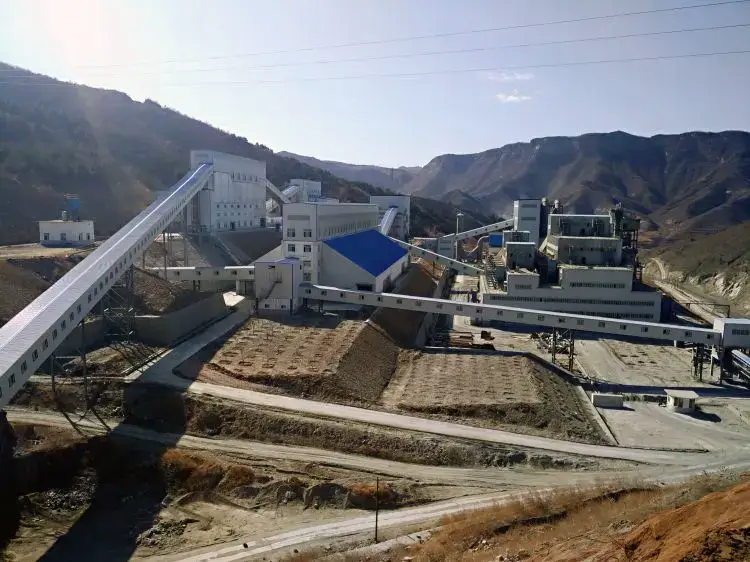
Common types used in ports:
For detailed specifications, refer to the belt conveyor systems section.
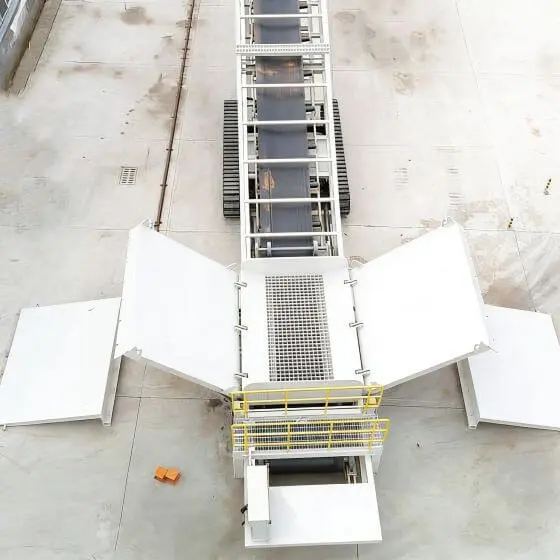
A truck unloader is a drive-over hopper system that allows trucks to dump bulk material directly into a receiving hopper, which then feeds a conveyor or stockpile. This eliminates the need for wheel loaders and significantly reduces truck turnaround time.
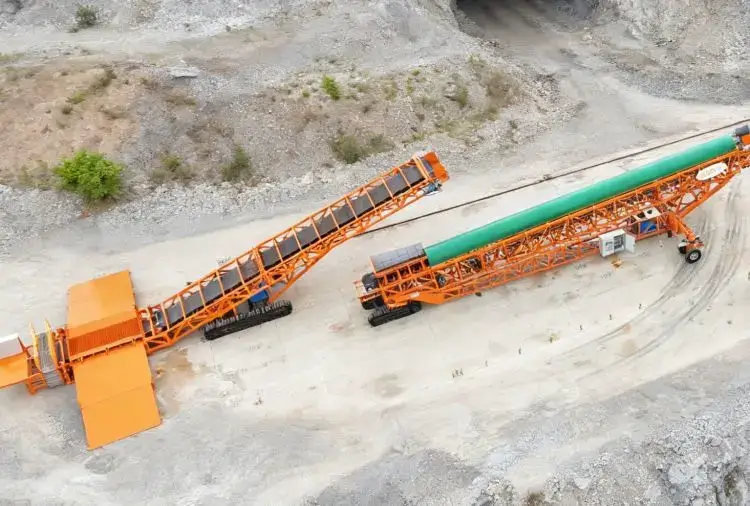
Zoomry truck unloaders are available in wheeled and tracked configurations, with capacities from 200 to 1,800 t/h standard, and up to 3,000 t/h for custom projects.
Telescopic stackers and radial stackers create organized stockpiles in port storage yards. Layered stacking helps reduce material segregation and dust emissions while maximizing yard space utilization.
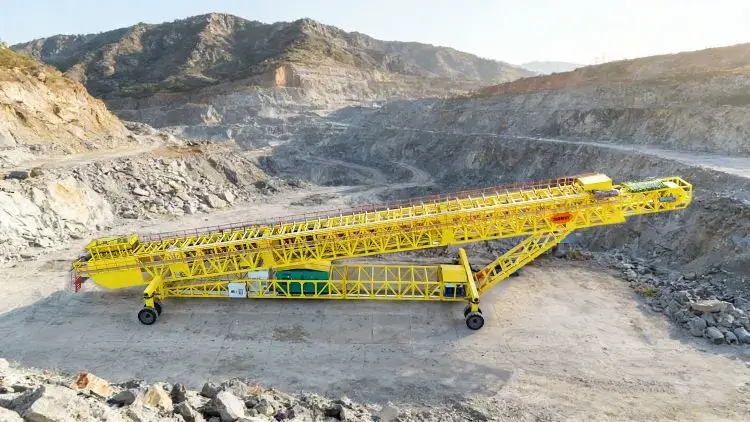
For ports with limited space, telescopic stackers with 360° slewing and adjustable boom length offer the flexibility to build conical or kidney-shaped stockpiles without repositioning.
Selecting the right combination of equipment depends on several factors:
A mobile ship loader is self-propelled and can move along the quay without rail infrastructure. A fixed ship loader is rail-mounted and remains in one position. Mobile systems offer lower upfront investment and faster deployment, while fixed systems may suit terminals with very high continuous throughput.
Yes. This is a common configuration for ports that receive material by truck and load directly onto vessels. The truck unloader feeds a belt conveyor, which in turn feeds the mobile ship loader. Zoomry has delivered complete truck-to-ship systems for terminals in Asia, Africa, and the Middle East.
Self-propelled loading for barges to Capesize vessels
Layered stockpiling with 360° slewing
Drive-over receiving with wheeled and tracked options
Share your vessel type, material, throughput target, and quay conditions. Zoomry can help match ship loaders, conveyors, unloaders, and stackers to your terminal.
Contact Us →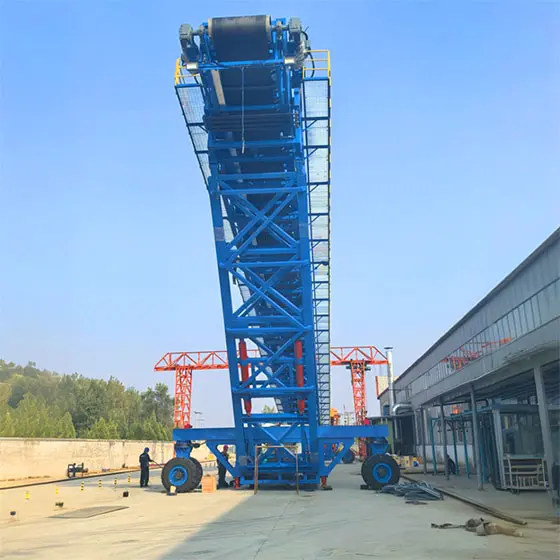
Fertilizer shiploader for rapid bulk fertilizer loading. Specialized a...
Truck unloader conveyor with 800-2200mm belt widths. 15-minute rapid r...
ZRSL-45 mobile shiploader for vessels of 35,000-50,000 DWT. Automated ...
Conveyor cover for weather protection in power plants, cement, steel, ...

Enter your email to contact us quickly!
Copyright © 2002-2026 Zoomry Group Company Limited 非商用版本 AI Index